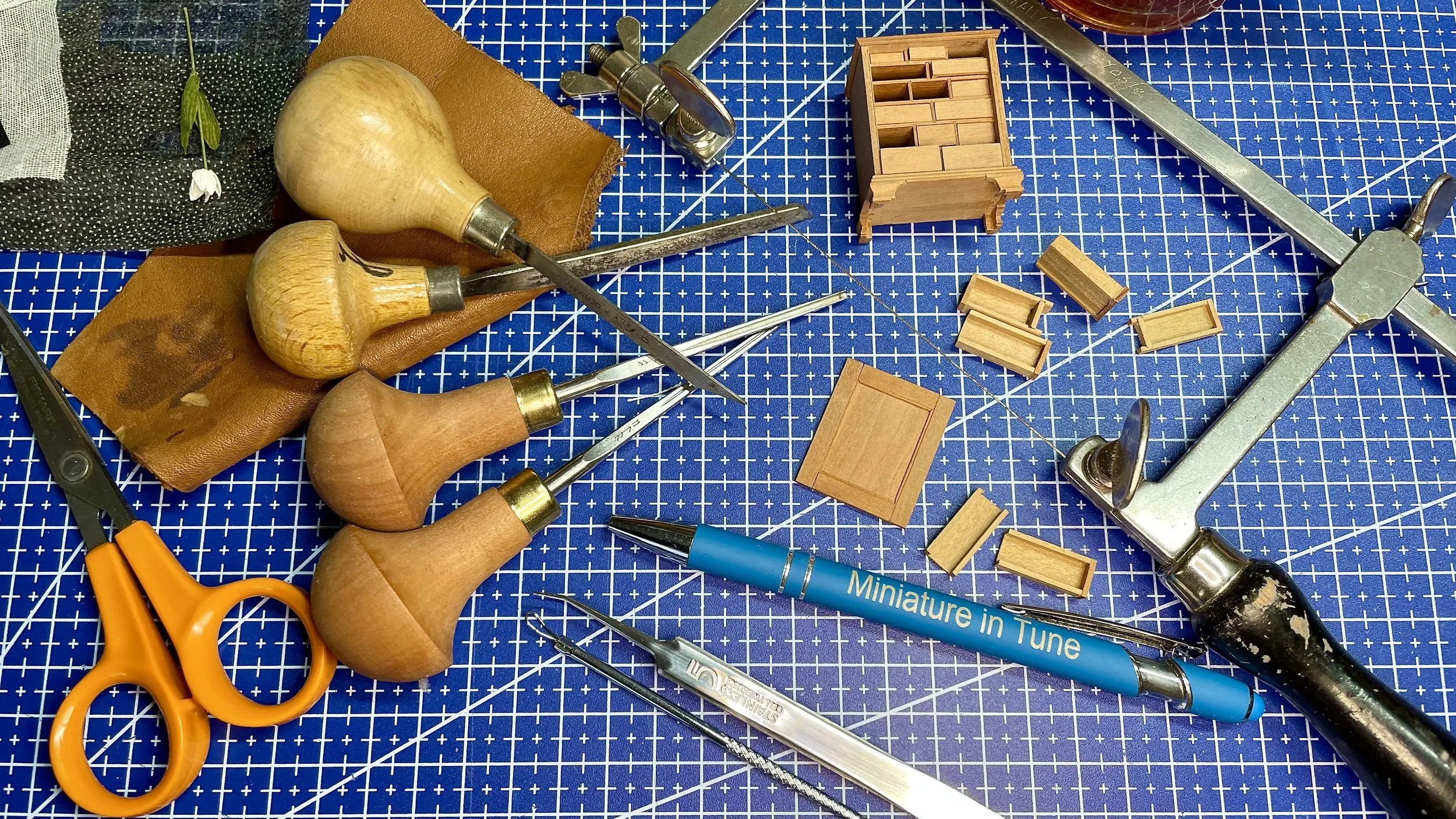
B-CLASSES - 2 DAYS
Below are the B-classes for Miniature in Tune 2027. These are 2-day classes held on Thursday and Friday.
The A-classes, which are 3-day classes taking place from Monday to Wednesday, can be found here.
B1 Tea Time
B2 Louis XV Clock on Pedestal
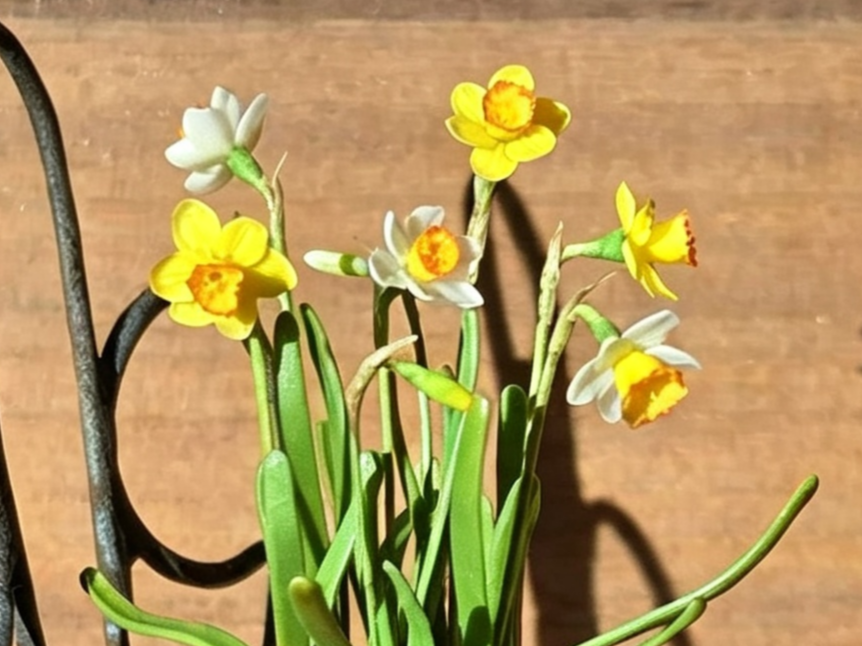
B3 Spring Daffodils
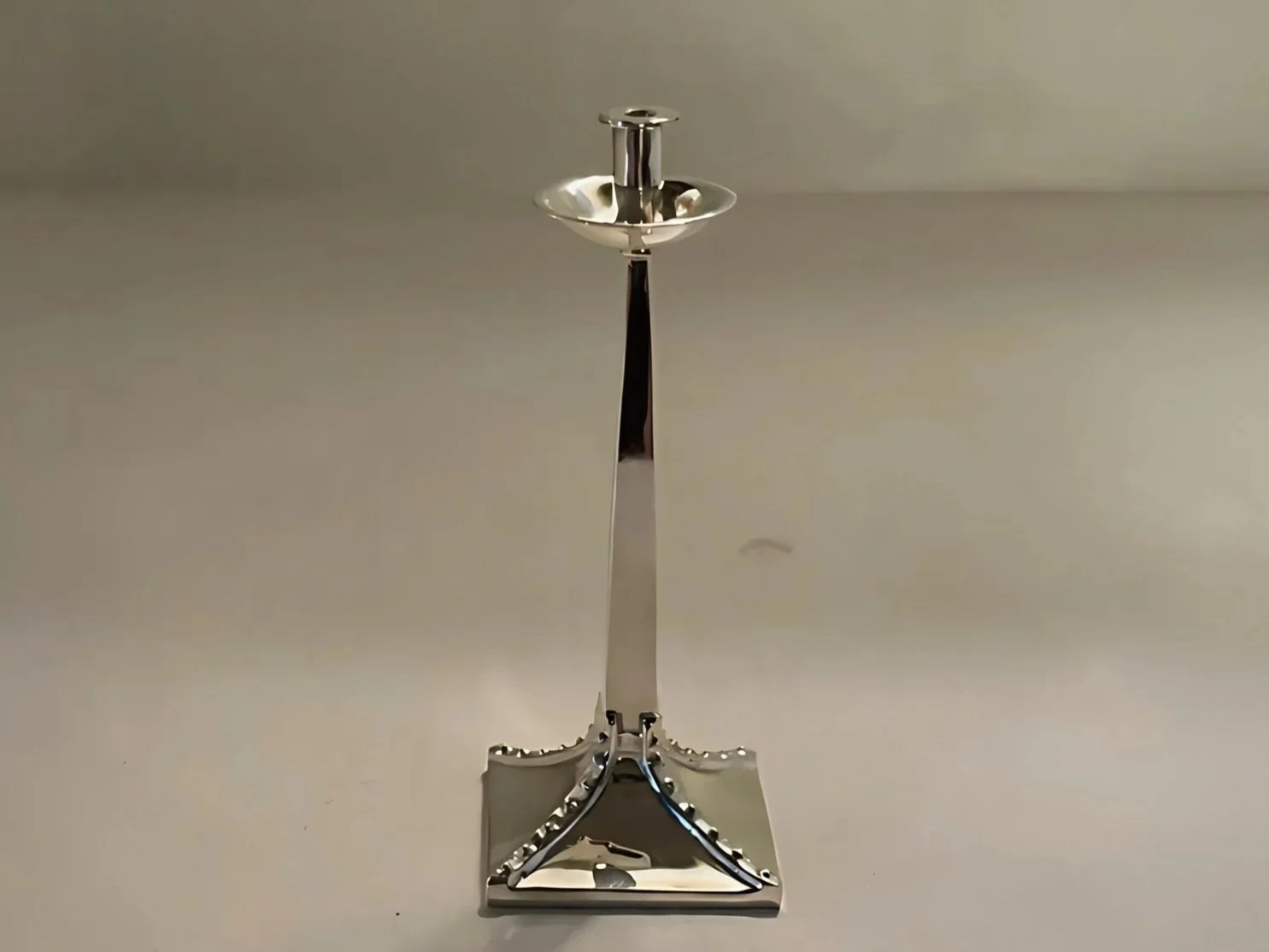
B4 Arts&Crafts Candlestick
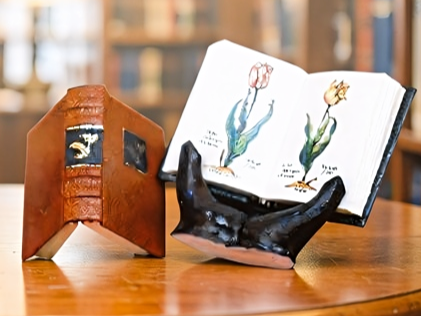
B5 Two days of bookbinding
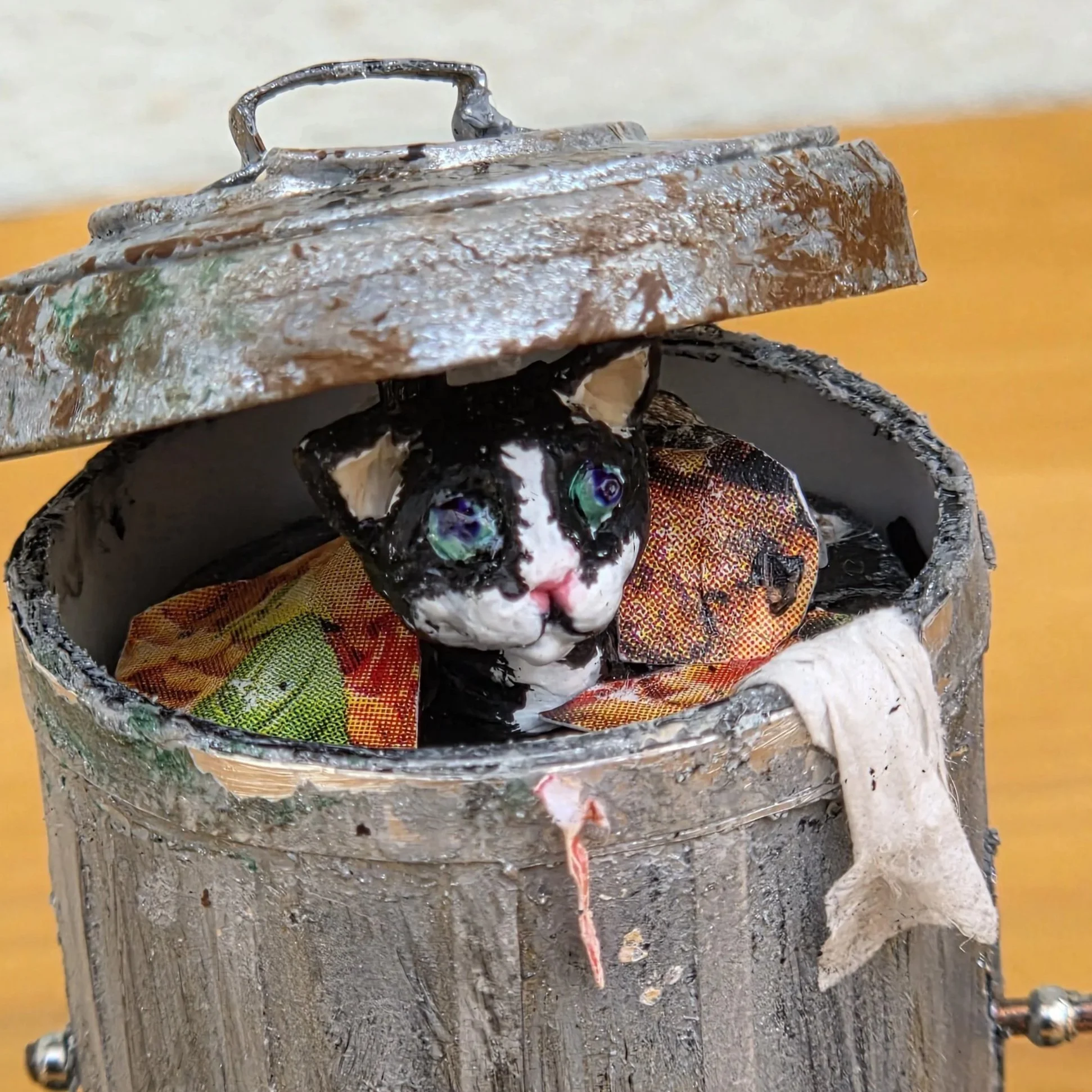
B6 Automaton Cat in Trash Bin
B1
TEA Time
Manuela P. Michieli
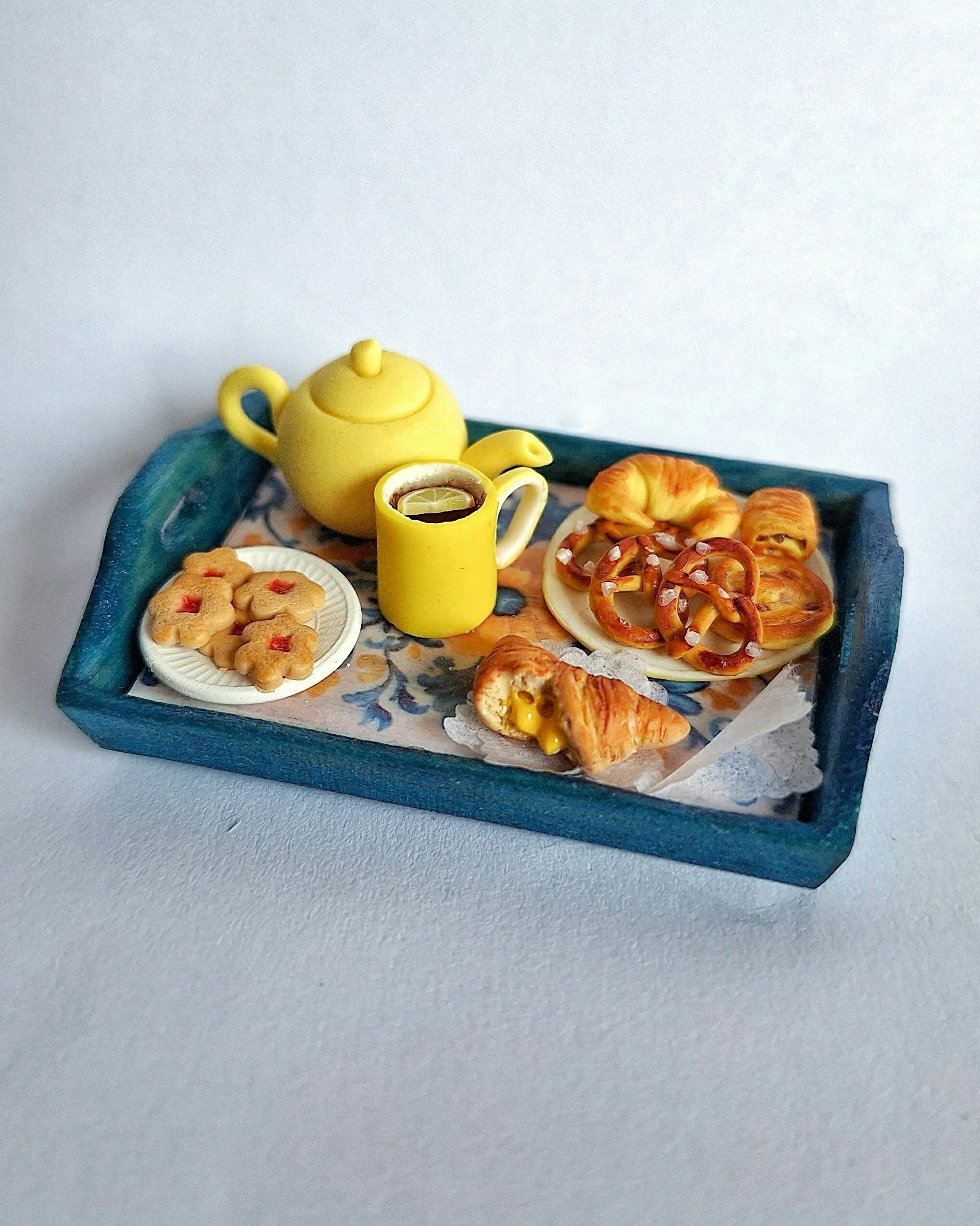
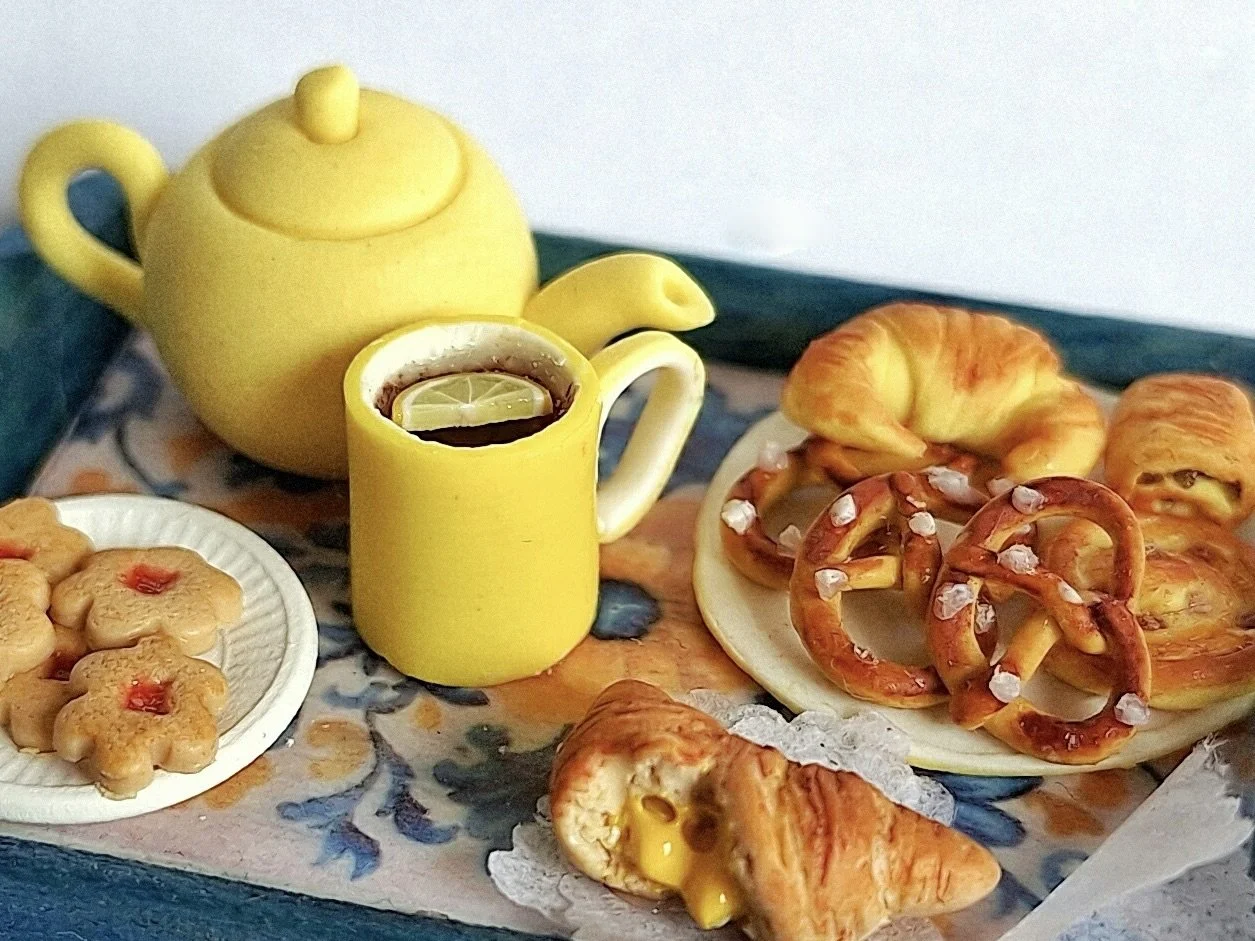
'Tea time' will focus on creating pastries and pottery from polymer clay, along with all the information needed to safely handle, store, and cure the clay.
We will work on:
- Different kinds of pastries - Pretzels, Danish rolls and croissants will help students learn about textures, shading and the use of materials that can be safely mixed with polymer clay
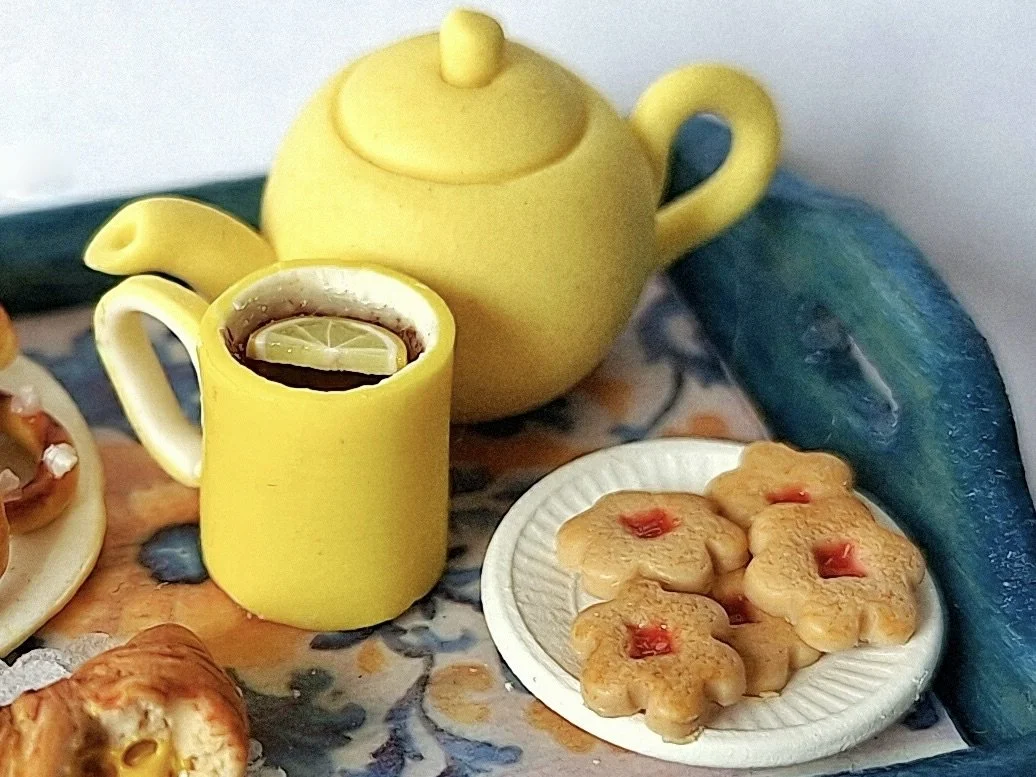
- Cookies and an open croissant - These will introduce how to create cream and jam.
- Teapot and mug - Polymer clay can be used to create many different kinds of miniatures; let's explore how to create some different "pottery" items.
- Tray decoration - A transfer technique will help students learn how to create personalised decorations with polymer clay.
To complete the composition, students will create the tea effect using UV resin and a little trick.
The wooden tray, a small dish and a lemon slice are accessories that will be provided with the class.
Materials fee: €10,-
B2
French Louis XV Style Clock on Pedestal
Geoff Wonnacott
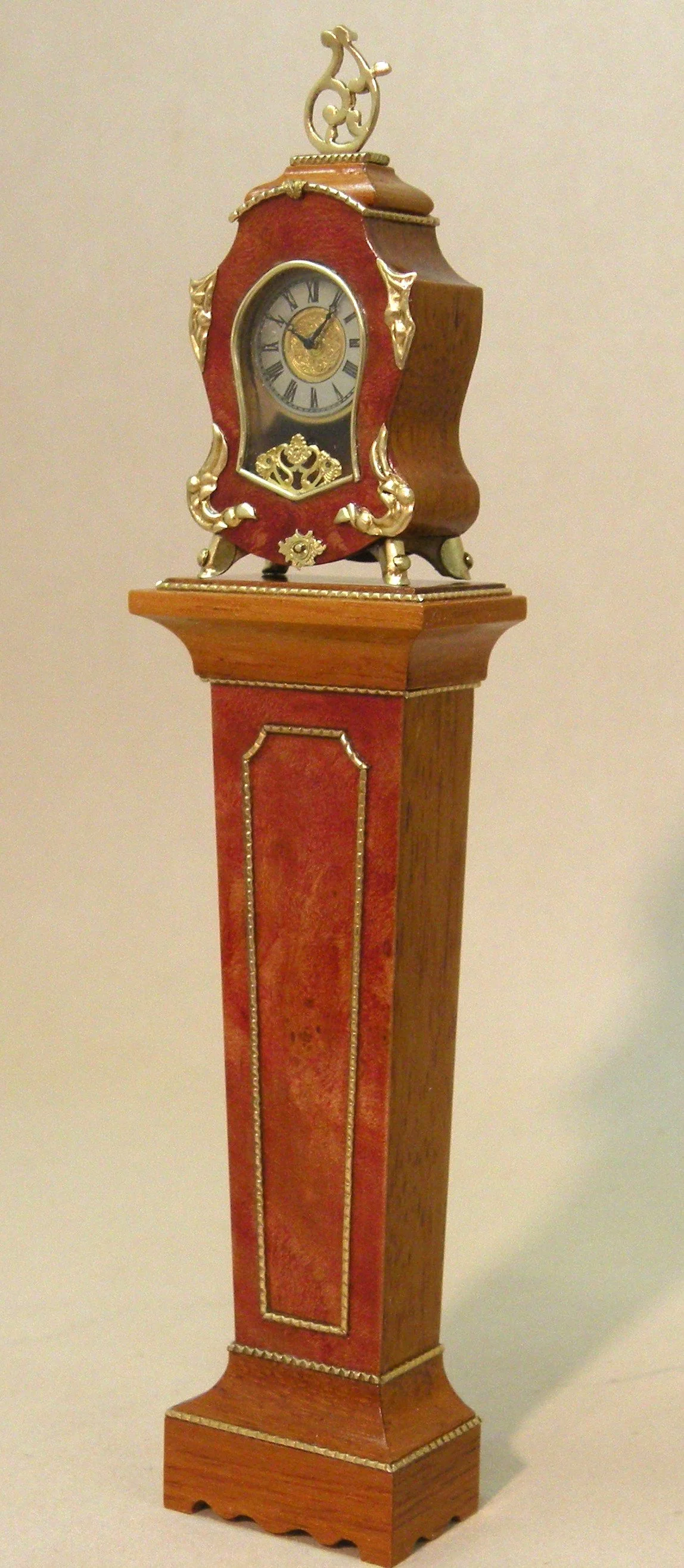
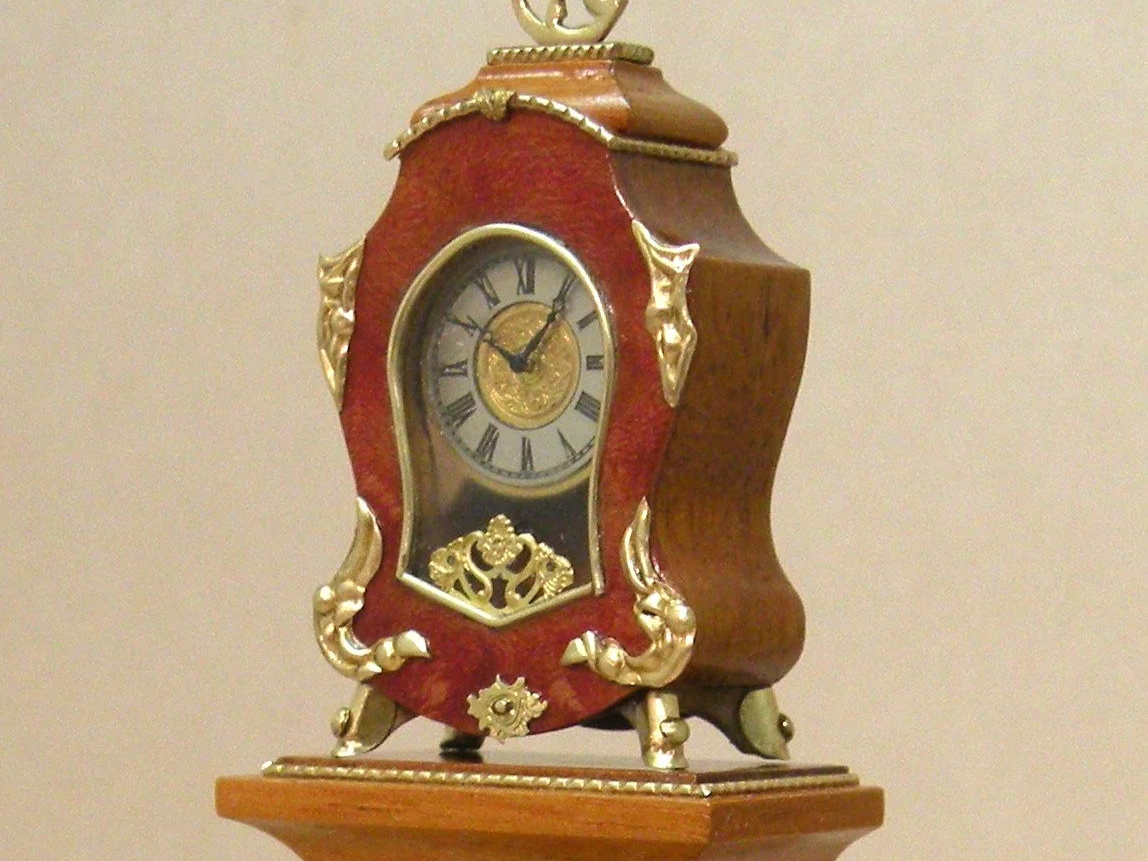
A typical example of Louis XV style, this elegantly shaped bracket clock and pedestal will complement any room or alcove.
From a prepared cutting list of timber, veneer and brass, the clock will be shaped, assembled and veneered before fitting the clock face.
Brass decoration will be applied.
This is not a working clock, but it will be the correct time twice a day.
The pedestal will be veneered, with mouldings and a decorative brass strip mitred around. The plinth will be shaped on the front and sides.
Materials fee: €110,-
B3
Spring daffodils
bonaqua Lam
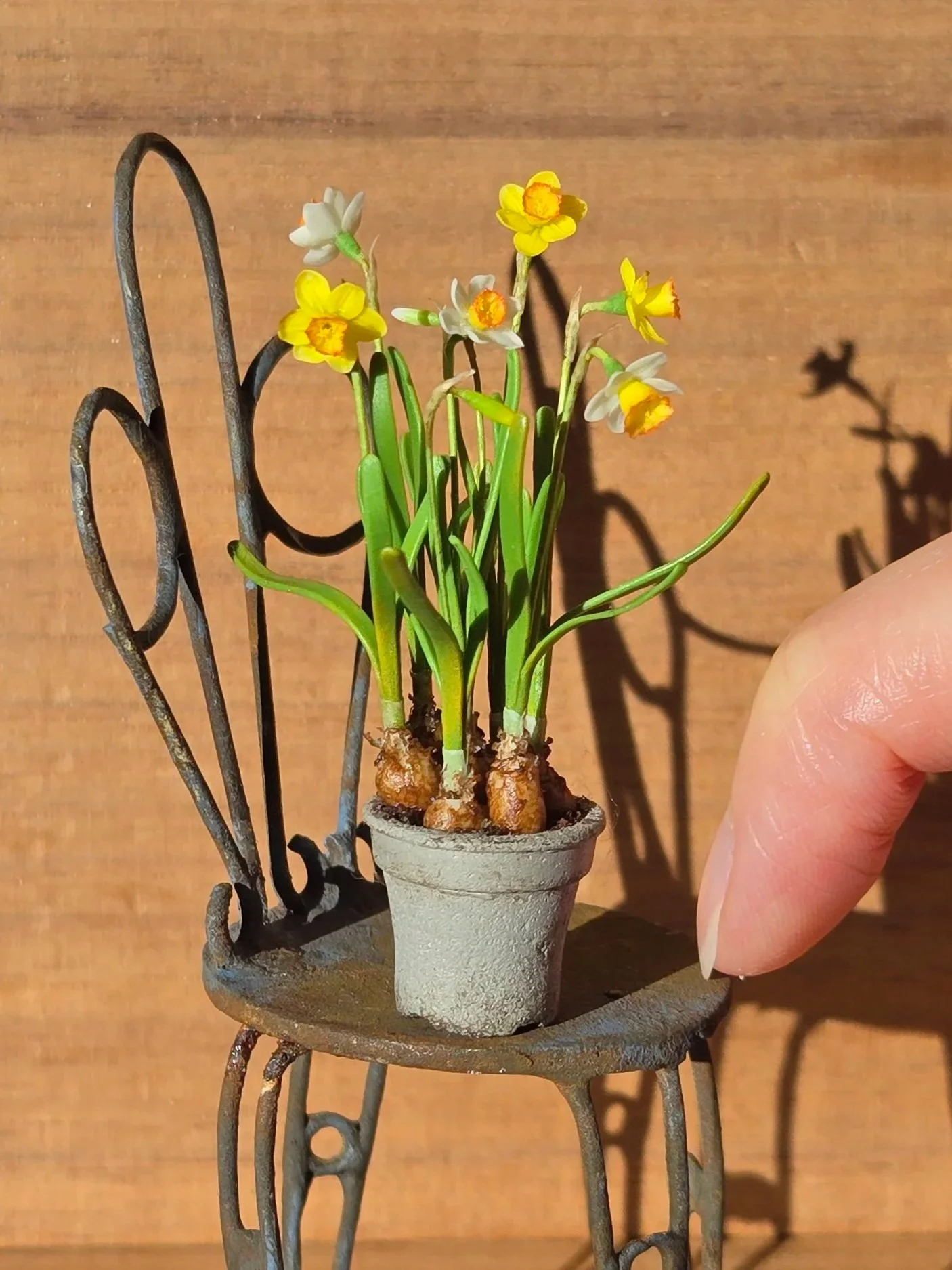
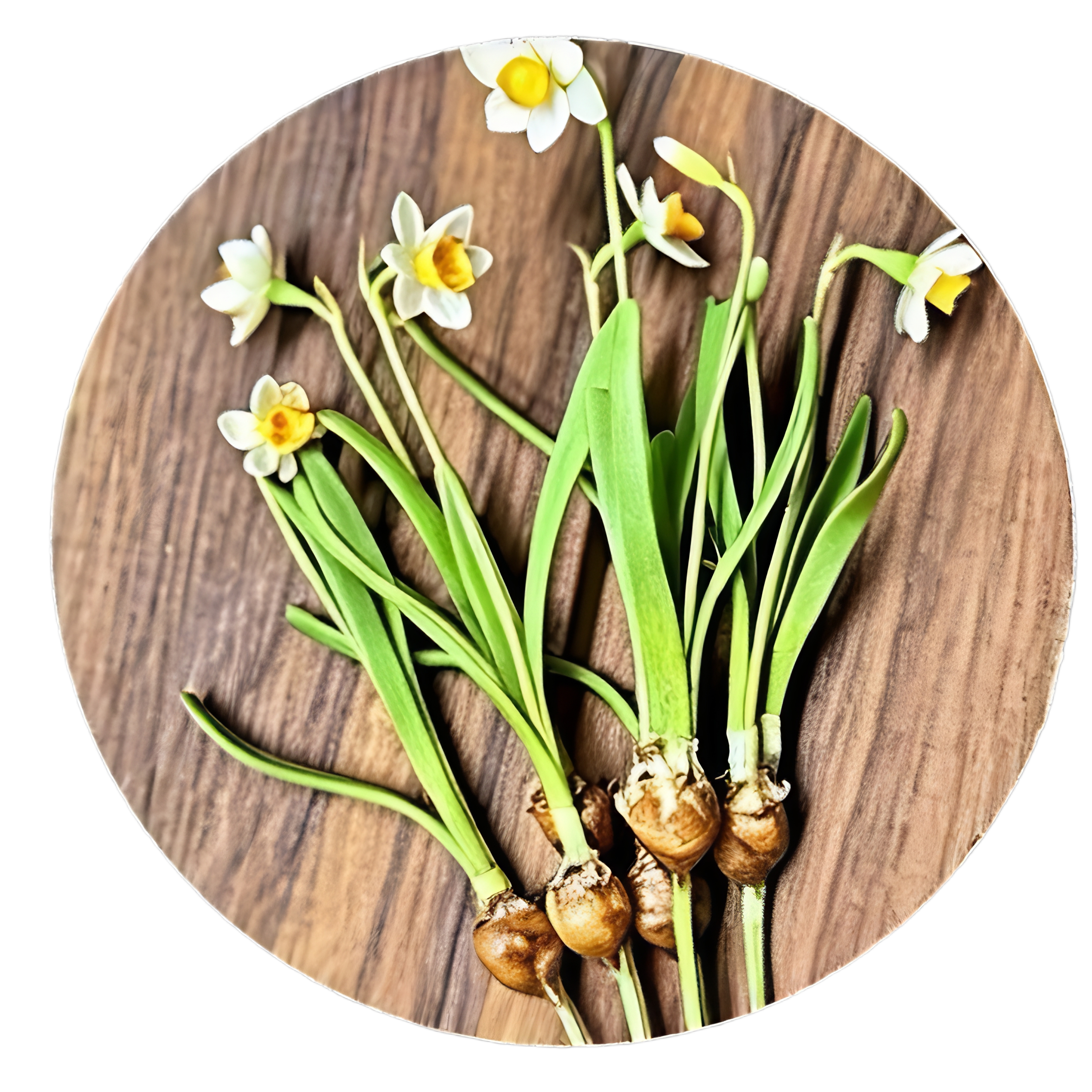
In this 2-day class, you will learn how to use air-dry clay to make daffodils in 1:12.
Part 1: About the clay
- Mixing clay: Learn how to mix different air-dry clays together.
- Keeping Clay Fresh: Air-dry clay dries fast! Learn how to store your clay properly so it stays soft while you work and lasts a very long time.
Part 2: Making the flowers
- Making the Stem: Learn how to cover a thin wire with clay to make a smooth flower stem.
- Flower Parts Step-by-Step: Learn how to shape every part of the daffodil, like the middle cup, the petals and leaves.
Putting it Together: Learn how to join all the parts together safely to make a perfect little flower.
- Adding Colours: Learn how to add colours to the dry flower to make it look more realistic.
The number of flowers created will depend on individual student's pace.
Materials fee: €15,-
B4
Arts and Crafts candlestick, 1903.
jens torp

In this class, you will create a miniature silver candlestick inspired by the classic Arts & Crafts design produced by James Dixon & Sons in Sheffield in the early 20th century.
The original design is attributed to the leading Dutch Amsterdam design school of the period, dating to around 1902. It is probably based on a design by Dutch designer Jan Eisenloeffel (1876–1957), which was subsequently produced by the Sheffield firm of James Dixon & Sons.
Working in silver, you will learn and practice a range of traditional silversmithing techniques, including sawing, filing, shaping, and soldering. Step by step, these techniques will bring the miniature candlestick to life.
To complete the piece, you will prepare the silver for polishing using fine sandpaper and rubber polishing wheels, before giving it its final finishing polish.
Materials fee: €85,-
B5
two days of bookbinding
Tine Krijnen
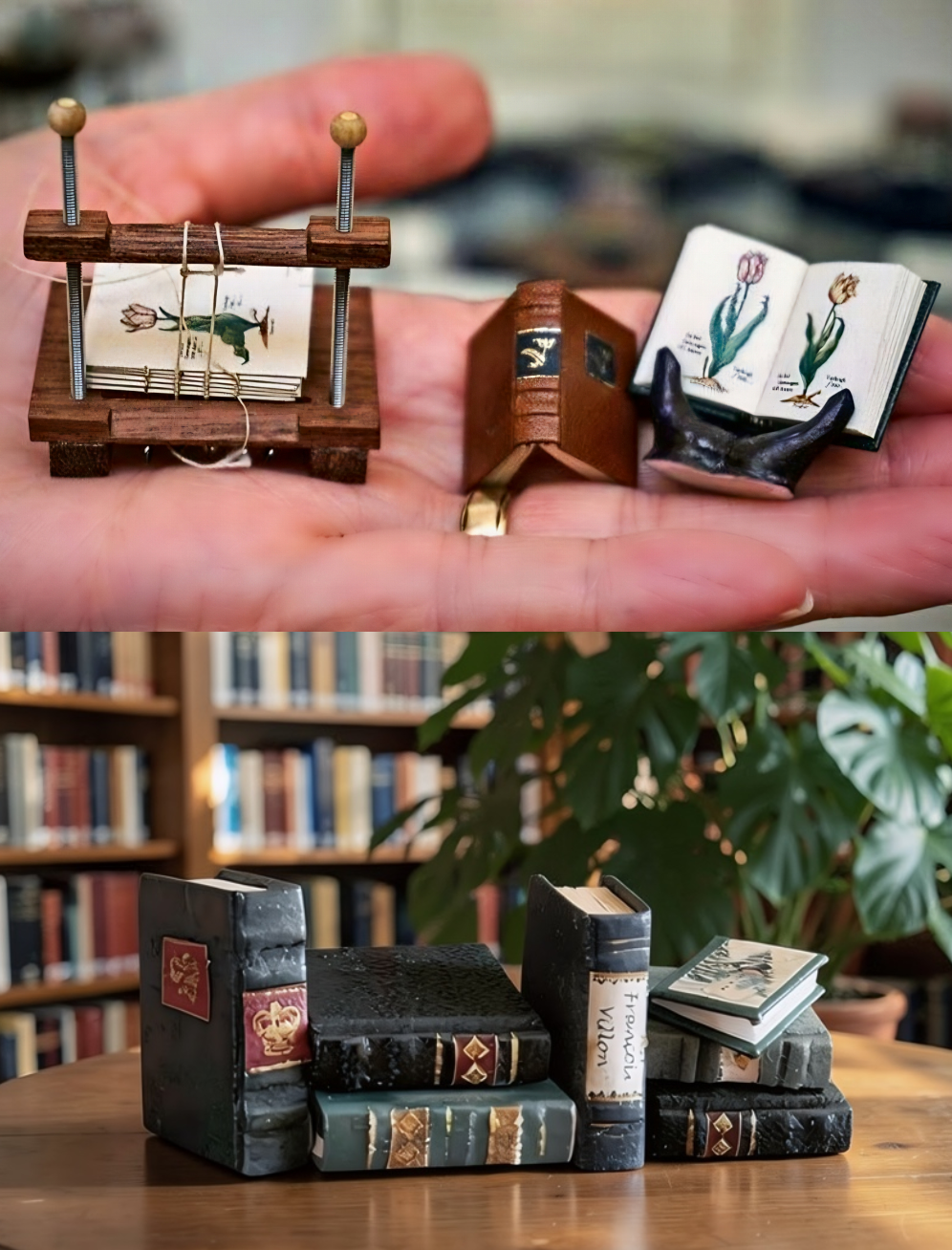
This two-day class introduces you to miniature bookbinding, from basic techniques to more intricate methods.
The course begins with an explanation of the fundamental principles of bookbinding. This introduction is designed for beginners learning the craft for the first time, while also providing a useful refresher for more advanced bookbinders.
Students may choose from several historical 17th-century books to sew on a traditional sewing frame: an autograph book, a Tulip book, or a book about bookbinding. All three books are made with leather covers.
In addition to the book binding techniques, you will learn to create beautifully decorated spines using gold and silver foil tooling. Tooling is not offered as a separate part of the course; instead, it is integrated throughout the bookbinding process.
Students work at their own pace on the books for their dollhouse. The course is suitable for both beginners and experienced bookbinders.
Materials fee: €25,- (or 210 DKK)
B6
Automaton Cat in a trash bin
Anita Heijmenberg
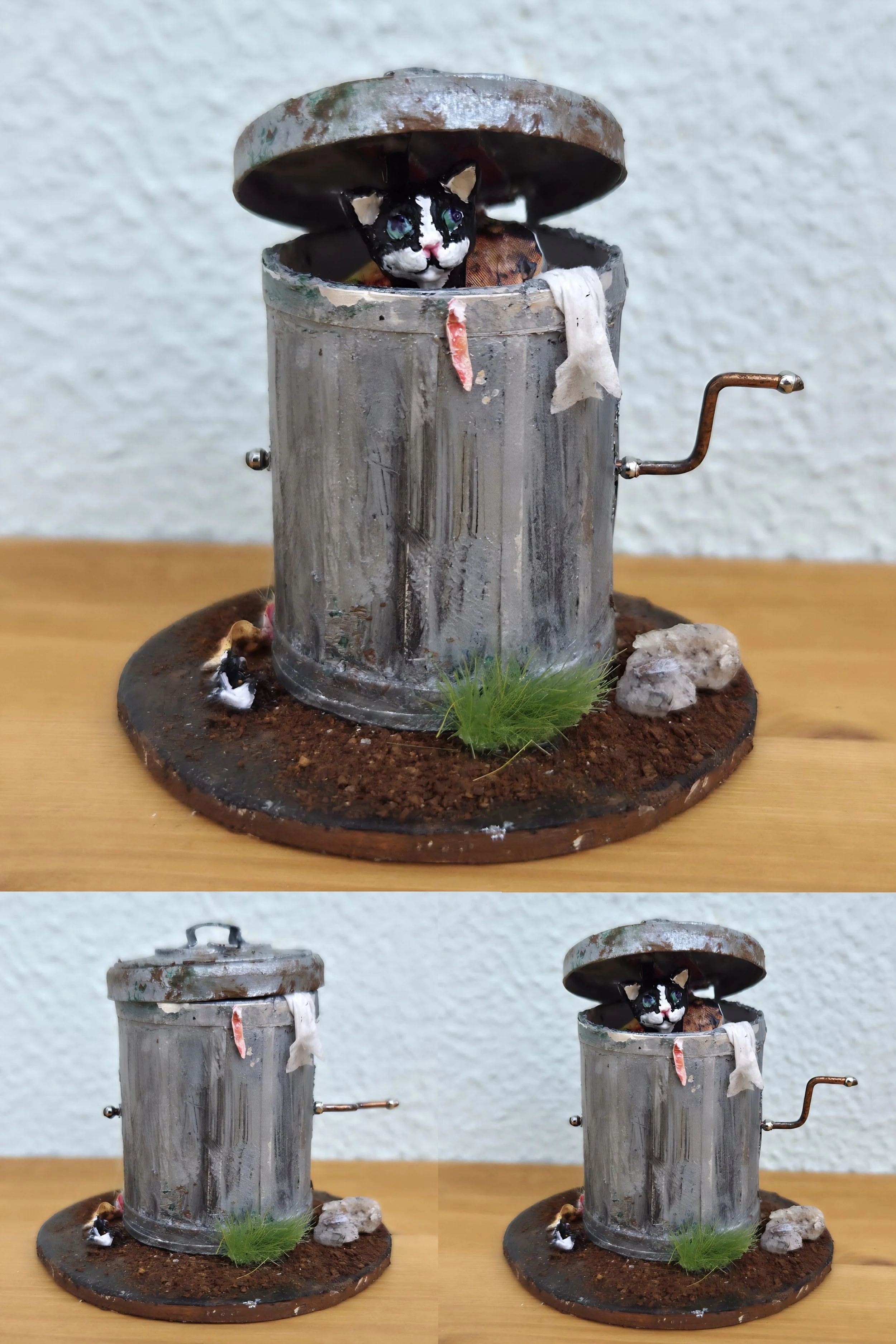
This funny cat just jumped right into the trash bin. Now to figure out how to get out again...
An automaton is a moving figure or scene. They can be set in motion by turning a small crank.
In this workshop, you will learn about the mechanics behind this automaton.
And perhaps it will inspire you to design and assemble other automata as well.